How Much More Energy Efficient is a New Roof?
When homeowners think about replacing a roof, they usually think about stopping leaks, improving curb appeal, or avoiding expensive water damage. But a new roof can also have another important benefit, especially in Arizona: improving the energy efficiency of your home.
So, how much more energy efficient is a new roof?
There isn't one percentage that applies to every house. The difference depends on the condition of your existing roof, the roofing material you choose, the color and reflectivity of the new roof, attic ventilation, insulation, and how the entire roofing system is installed.
For some homes, the difference may be fairly small. For others—especially homes with an aging roof and a hot attic—a new roofing system can make a noticeable difference in indoor comfort and cooling demands.
Your Roof Takes the Brunt of the Arizona Sun
During a Tucson summer, your roof is exposed to intense sunlight for hours every day. Roofing materials absorb some of that solar energy, which can eventually transfer into the attic and living areas below.
Your air conditioner then has to remove that heat to maintain the temperature you set on the thermostat.
This means the roof isn't just responsible for keeping rain outside. It's part of the system separating your conditioned living space from the extreme temperatures outdoors.
The less heat that makes its way into the home, the easier it can be for your cooling system to keep up.
Older Roofs Can Become Less Effective
Roofing systems change as they age.
Asphalt shingles, for example, can gradually lose the protective granules on their surface. Years of sunlight, wind, rain, and temperature fluctuations can cause shingles to crack, curl, deteriorate, or lose some of their original properties.
Problems with the roof can also expose issues with ventilation, underlayment, or the roof deck.
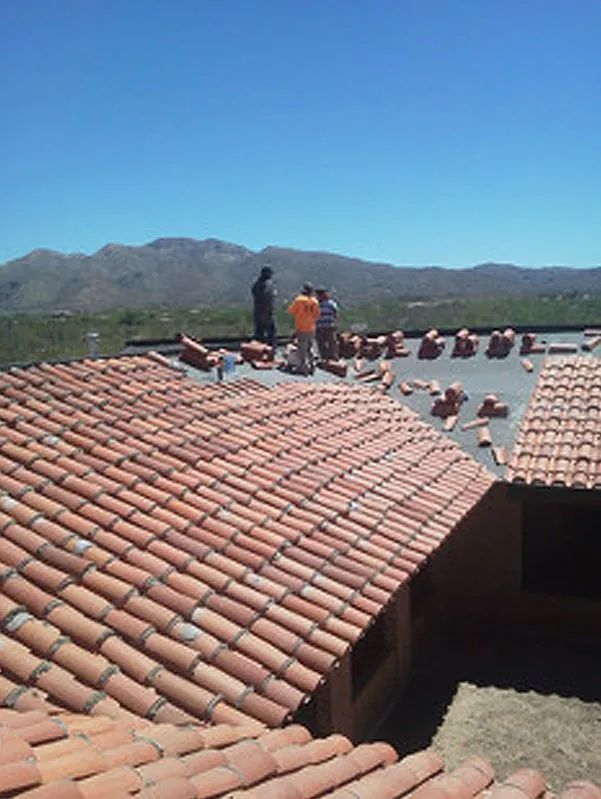
Replacing an aging roof gives your roofer an opportunity to address the entire system rather than simply placing new material over an existing problem.
Roofing Material Makes a Difference
Not every roof absorbs and transfers heat in the same way.
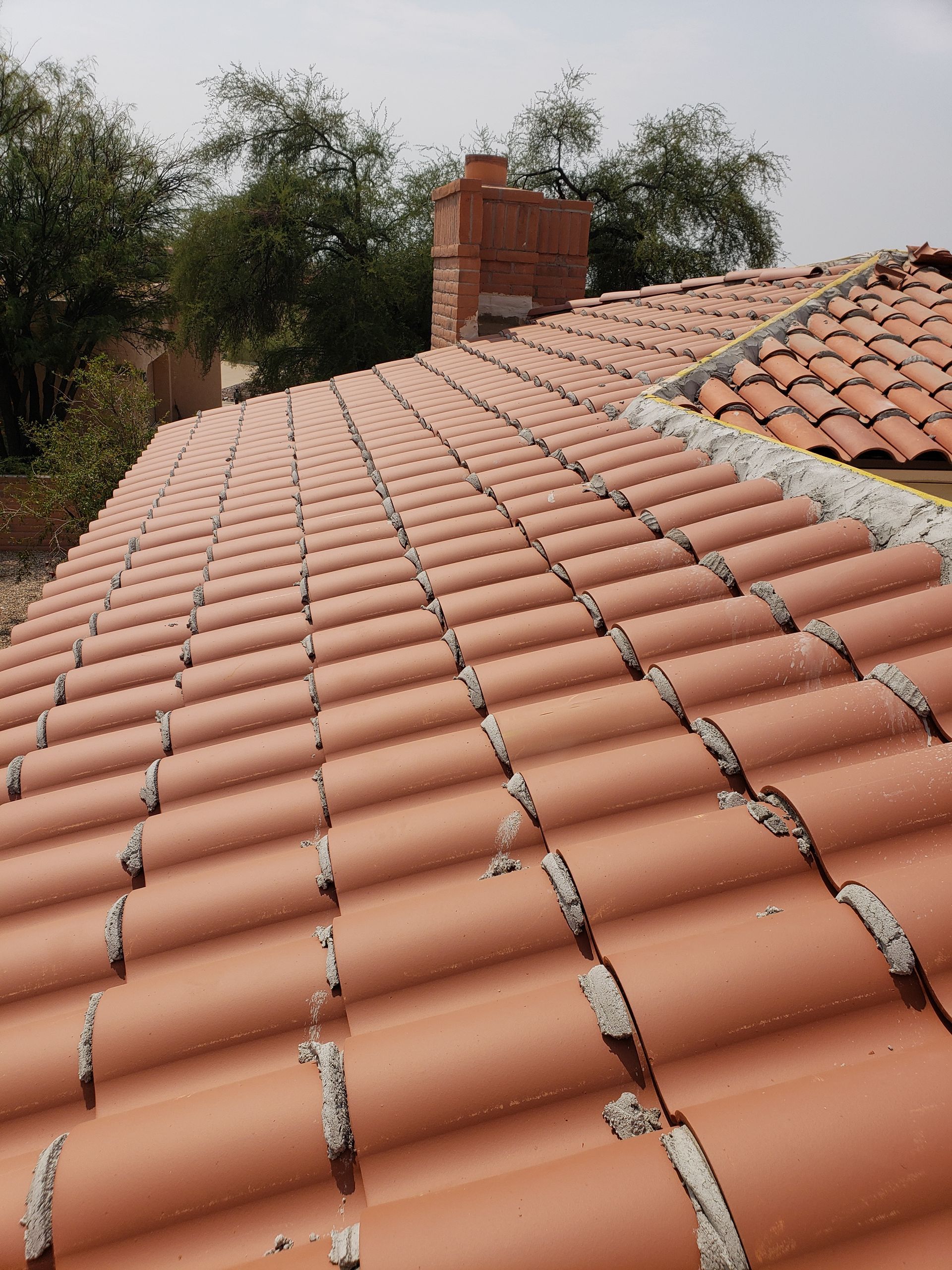
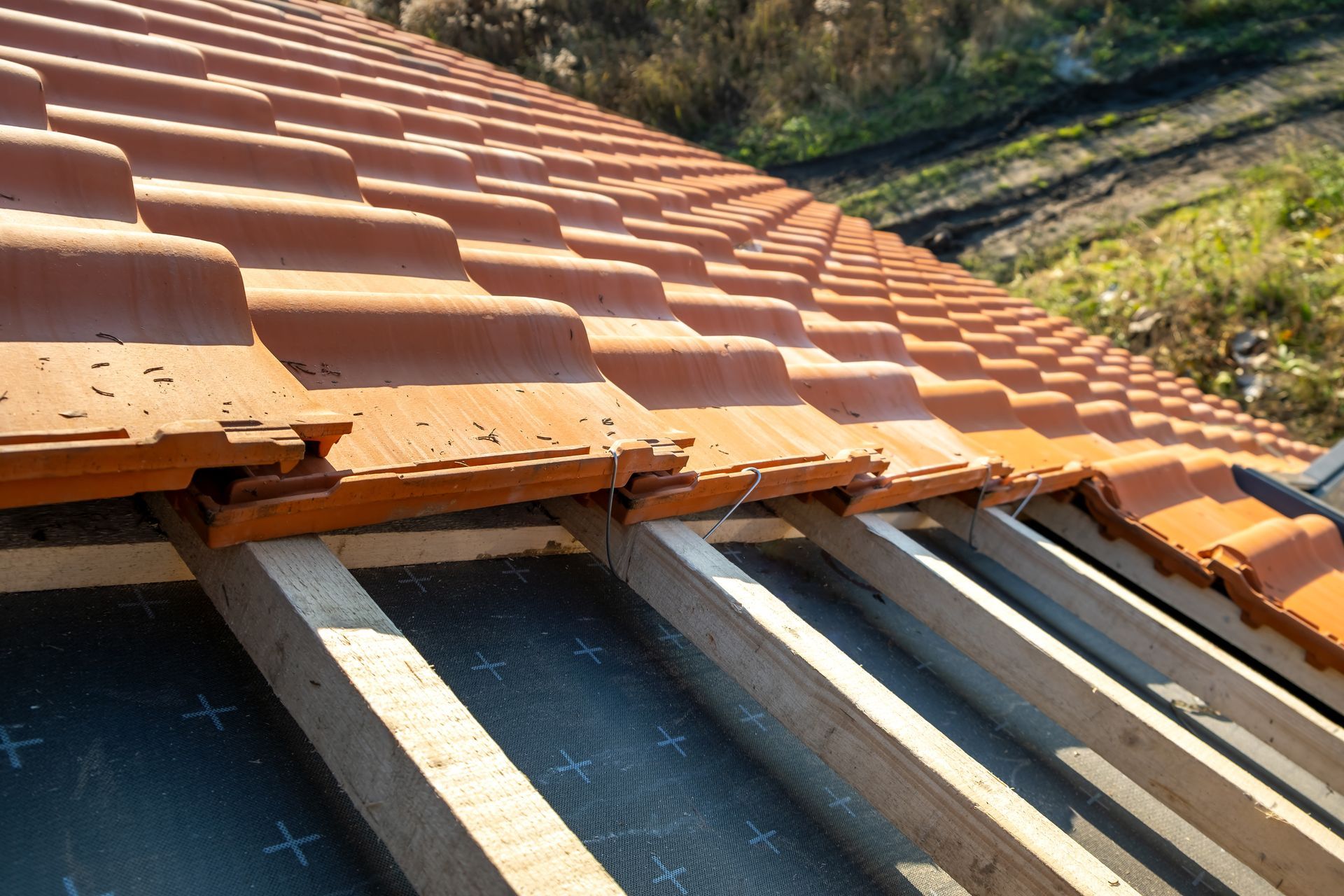
Tile roofing is popular throughout Arizona partly because it performs well in hot climates. In addition to the characteristics of the tile itself, the way tile is installed can create space between portions of the roofing material and the roof deck, which can help reduce heat transfer.
Modern shingles are also available in lighter and more reflective options than many older roofing products.
Some roofing materials are specifically designed as "cool roof" products. These roofs reflect more sunlight and absorb less solar heat than conventional roofing materials.
If energy efficiency is a priority when replacing your roof, ask your roofing contractor about the different materials and colors available.
Roof Color Can Affect Heat Absorption
Anyone who has touched a dark object sitting in the Arizona sun knows how much color can affect surface temperature.
The same basic principle applies to roofing.
Darker roofing materials generally absorb more solar energy, while lighter or highly reflective surfaces can reflect more of that energy away from the house.
That doesn't necessarily mean every homeowner needs a white roof. Modern roofing products are available in a wide range of colors and styles while still offering improved solar-reflective properties.
The right choice depends on the home, roofing material, appearance you want, and your overall goals.
Don't Forget About Attic Ventilation
The roofing material itself is only one part of the equation.
A properly functioning attic ventilation system allows hot air and moisture to escape while bringing in outside air through appropriately placed intake vents.
If attic ventilation is inadequate, heat can become trapped beneath the roof.
When replacing a roof, it is a good opportunity to evaluate whether the existing ventilation system is appropriate for the home.
Better ventilation can help control attic temperatures and reduce some of the heat buildup that contributes to cooling demand during the summer.
Insulation Is Just as Important
A brand-new roof cannot compensate for a poorly insulated attic.
Insulation creates another barrier between the hot attic and the conditioned portion of the home. If insulation is missing, damaged, compressed, or inadequate, heat can still make its way into the living space.
That's why the most energy-efficient homes don't rely on a single product.
The roof, ventilation, insulation, windows, HVAC system, and building envelope all work together.
If you're replacing an older roof and concerned about high summer electric bills, it may make sense to evaluate your attic insulation at the same time.
Will a New Roof Lower Your Electric Bill?
It certainly can, but homeowners should be cautious of anyone promising a specific amount of savings without evaluating the house.
If your current roof is already in good condition with proper ventilation and insulation, installing a new roof may not dramatically change your electric bill.
However, replacing an old roofing system with more reflective materials, improving attic ventilation, and addressing other existing problems can reduce the amount of heat entering the home.
That can mean less work for your air conditioner, improved indoor comfort, and potentially lower cooling costs.
Choosing the Right Roof for an Arizona Home
Energy efficiency is just one factor to consider when replacing a roof. Longevity, cost, appearance, maintenance, structural requirements, and weather resistance all matter as well.
At Alvarado Roofing, we can inspect your existing roofing system and help you understand the different options available for your home.
If your roof is approaching the end of its life, choosing the right replacement isn't just about keeping the weather outside. A well-designed roofing system can also help your home better handle the Arizona heat for years to come.